Introduction
Building a SaaS product used to require a significant upfront investment in infrastructure, design, and development tools. Today, a wide range of free and generous free-tier tools make it possible for solo founders, small teams, and startups to design, build, and launch a fully functional SaaS product without spending much money at all. From frontend frameworks and backend databases to authentication, payments, and hosting, there's now a free or low-cost option for nearly every part of the SaaS stack. This post breaks down the common roadblocks founders face when starting out, and the best free tools available to solve them at each stage.
The Problem
Founders and small teams building a SaaS product often face several early-stage challenges:
- High upfront costs: Traditional software development often requires paid infrastructure, licensed design tools, and hosting fees before a product ever generates revenue.
- Complex backend setup: Building authentication, databases, and APIs from scratch takes significant time and expertise, slowing down how quickly an idea can become a working product.
- Scattered toolchains: With so many available options, founders often struggle to choose the right combination of tools without wasting time testing multiple platforms.
- Design without a design team: Small teams and solo founders often lack dedicated designers, making it hard to create a professional-looking UI without design expertise.
- Payment and subscription complexity: Setting up recurring billing, subscription management, and payment processing can be technically challenging without the right tools.
- Uncertain scalability: Free tools that work well in the early stages don't always scale smoothly, and switching platforms later can mean costly migrations.
Without the right toolset, early-stage founders can end up spending more time wrestling with infrastructure than actually building and validating their product.
The Solution
A well-chosen set of free tools can cover nearly every part of the SaaS building process, from idea to launch:
- Frontend development — Next.js, React, Vite: These free, open source frameworks provide a solid foundation for building fast, modern web interfaces, with large communities and extensive documentation to support development.
- UI design — Figma, shadcn/ui, Tailwind CSS: Figma's free plan is excellent for designing interfaces and prototypes, while shadcn/ui and Tailwind CSS help developers build clean, professional UIs without needing a dedicated design team.
- Backend and database — Supabase, Firebase: Both platforms offer generous free tiers with built-in authentication, databases, and real-time features, allowing founders to build a functional backend without managing servers manually.
- Authentication — Clerk, Supabase Auth, Firebase Auth: These tools provide ready-to-use authentication systems with support for email/password, social logins, and secure session management, saving significant development time.
- Payments and subscriptions — Stripe, Lemon Squeezy: Both offer free integration (with transaction-based fees) for handling subscriptions, one-time payments, and billing management, making it easy to monetize a SaaS product from day one.
- Hosting and deployment — Vercel, Netlify, Render: These platforms offer free hosting tiers with Git-based deployment, making it simple to launch and update a SaaS product without managing infrastructure directly.
- Version control and collaboration — GitHub, GitLab: Free repositories with unlimited private projects (on standard plans) make it easy for founders and small teams to manage code, track changes, and collaborate effectively.
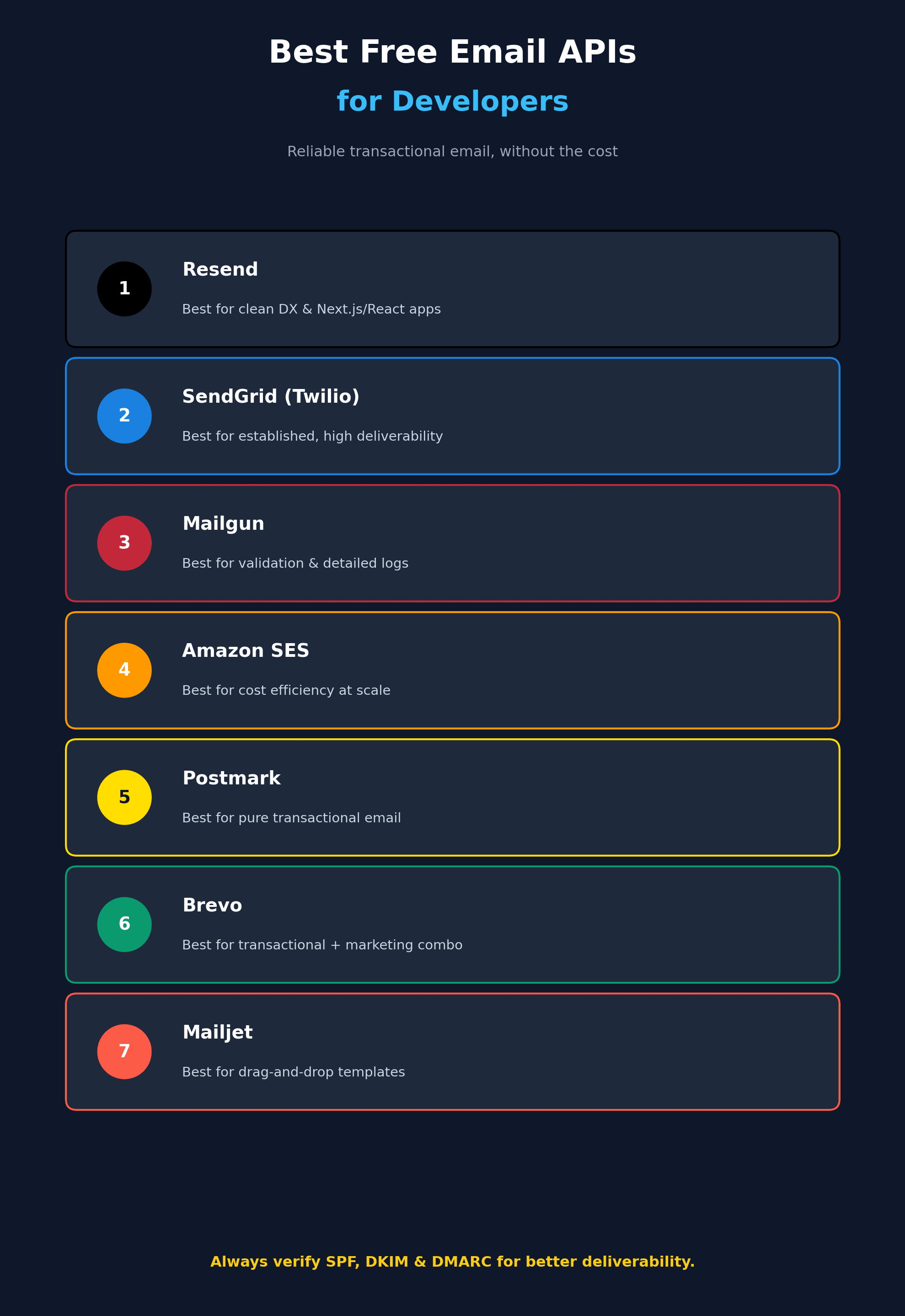
- Email and notifications — Resend, Mailgun (free tiers): These tools help SaaS products send transactional emails like welcome messages, password resets, and billing notifications without building an email system from scratch.
- Analytics — Google Analytics, Plausible (free trial), PostHog: Understanding user behavior early on helps founders make better product decisions, and tools like PostHog offer generous free tiers for tracking events and user engagement.
- Project management — Notion, Trello: Free plans for these tools help founders and small teams organize tasks, roadmaps, and feature planning without needing a dedicated project management platform.
- Customer support — Crisp, Tawk.to: Free live chat and support tools allow SaaS founders to communicate directly with early users, gather feedback, and resolve issues quickly.
By combining these tools thoughtfully, founders can build a fully functional SaaS product — from UI to backend to billing — without a large upfront budget, only paying for infrastructure as the product actually starts generating revenue and real usage.
Conclusion
Building a SaaS product no longer requires deep pockets or a large team. With the right combination of free and generous free-tier tools — covering frontend, backend, authentication, payments, hosting, and support — founders can validate ideas, launch products, and start generating revenue with minimal upfront cost. As the product grows, these same tools often scale smoothly into paid tiers, meaning the effort spent building on them early pays off well into the future.